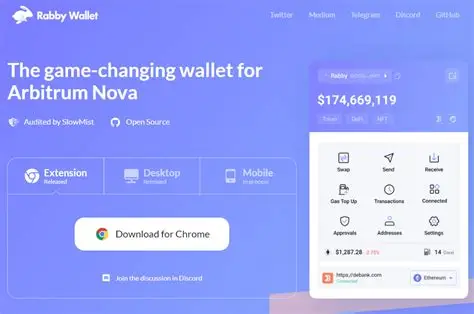
Introduction to Rabby Wallet
Rabby Wallet is a powerful, multi-chain, non-custodial crypto wallet designed for seamless interaction with decentralized applications (DApps) and secure asset management across multiple blockchains. It serves as a modern alternative to traditional browser wallets by offering smoother network detection, intelligent transaction previews, built-in security alerts, and support for numerous blockchains simultaneously.
Rabby Wallet differs from typical wallets because it automatically detects the correct network based on the DApp you're visiting. This prevents common mistakes like sending funds on the wrong chain. It also provides transparent transaction previews so you always know exactly what you are signing, significantly reducing phishing and scam risks.
This guide will walk you through installing, setting up, securing, recovering, and efficiently using Rabby Wallet, ensuring you fully understand all its features and best practices. Whether you’re a beginner or experienced with DeFi, this guide will help you get the most out of Rabby Wallet safely.
What Makes Rabby Wallet Unique?
Rabby Wallet offers numerous standout features, including:
Multi-chain support, allowing smooth switching between networks
Automatic network matching, reducing errors
Readable transaction previews, showing real costs and contract actions
Better security alerts to protect you from malicious signatures
Support for hardware wallets such as Ledger and Trezor
Portfolio dashboard to visualize assets across all chains
Open-source code, fostering transparency and trust
These features make Rabby Wallet one of the most user-friendly and security-focused crypto wallets available today.
Installing Rabby Wallet
To get started:
Visit the official Rabby site: rabby.io
Choose your platform:
Chrome extension
Firefox extension
Edge extension
Desktop application for macOS, Windows, or Linux
Download and install the application or browser extension
Pin the extension to your browser toolbar for easier access
Security Warning: Only download Rabby from the official website. Fake versions online can steal seed phrases and drain funds.
Creating a New Wallet
After installing:
Click the Rabby icon in your browser
Select “Create New Wallet”
Set a strong password that includes uppercase, lowercase, numbers, and symbols
The wallet will generate a 12-word or 24-word recovery seed phrase
This seed phrase is the single most important element of your wallet. It gives access to all your accounts and assets across all blockchains.
Storing Your Recovery Seed Phrase
Your recovery seed phrase must be stored offline and securely.
Best practices include:
Write the phrase on paper (or a metal backup plate)
Store it in a secure place such as a safe
Never store it digitally (phone notes, screenshots, cloud storage)
Never share it with anyone
Make at least two separate backups
If you lose the seed phrase, you lose your wallet permanently. If someone else gets it, they can take your funds.
Importing an Existing Wallet
If you already have a crypto wallet:
Select “Import Wallet”
Enter your recovery seed phrase
Set a new password
Rabby will populate all your assets once connected
You can import seed phrases from MetaMask, Trust Wallet, or other EVM-compatible wallets.
Understanding the Rabby Dashboard
Once inside the wallet, you'll see key sections:
Portfolio Overview – Displays your assets across networks
Accounts – Manage multiple wallets or addresses
Networks – Switch between supported chains
Settings – Adjust preferences and security options
Activity – View full transaction history
The dashboard is designed to be clean and intuitive, making it easy to navigate even if you’re new to crypto.
Adding and Managing Accounts
Rabby lets you create or import multiple accounts:
Standard EVM accounts
Imported private key accounts
Imported hardware wallet accounts
Multiple seed phrase wallets
You can name each account to track activities more easily—such as "DeFi Wallet," "NFT Wallet," or "Trading Wallet."
Connecting Rabby Wallet to DApps
To interact with decentralized exchanges, NFT platforms, or DeFi apps:
Visit the DApp
Click “Connect Wallet”
Choose Rabby Wallet
Confirm the connection in the extension
Rabby will detect the correct network based on the DApp, ensuring smooth interaction without manual switching.
Switching Networks Automatically
Rabby Wallet is known for its automatic network switching, which prevents mistakes and failed transactions.
When you visit a DApp:
Rabby detects the required blockchain
Suggests switching to that network
Displays the connected chain clearly
This simplifies multi-chain usage across networks such as Ethereum, BSC, Polygon, Arbitrum, Optimism, Fantom, Avalanche, and more.
Sending Cryptocurrency
To send funds:
Open your wallet
Select the asset and network
Click Send
Enter the recipient address
Review the transaction preview
Confirm and sign the transaction
Rabby clearly shows:
Gas fees
Estimated final balance
Token approval warnings
Contract interactions
This clarity helps prevent accidental approvals and fraud.
Receiving Cryptocurrency
To receive crypto:
Open Rabby Wallet
Select the correct account
Copy your public wallet address
Share it with the sender
Your address stays the same across all EVM chains, but remember:
You must select the correct network inside exchanges or DApps
Sending tokens on the wrong network may require manual recovery
Security Best Practices
To protect your Rabby Wallet:
Never share your seed phrase
Enable strong passwords
Lock your wallet when not in use
Avoid interacting with unverified DApps
Regularly check transaction previews
Use Rabby's built-in phishing warnings
Verify URLs before connecting
For added protection, use Rabby Wallet with a hardware device.
Using Rabby Wallet with Hardware Wallets
Rabby supports:
Ledger Nano S / X / Flex
Trezor Model T / One
To connect:
Plug in your hardware wallet
Open Rabby Wallet
Select Connect Hardware Wallet
Choose your device
Approve connection
All transactions are then signed offline, offering maximum protection.
Viewing and Managing Tokens
Rabby automatically detects tokens across chains. You can:
Manually add custom tokens
Hide unwanted tokens
View token balances in real time
Track USD value of your portfolio
The wallet also detects "dust" tokens that may be spam or phishing attempts.
Managing NFTs
Rabby Wallet includes integrated NFT support:
View ERC-721 and ERC-1155 NFTs
Track metadata and attributes
Connect to NFT marketplaces like OpenSea, Blur, and LooksRare
Transfer or list NFTs
The wallet displays transaction previews to prevent malicious NFT approvals.
Approvals and Permission Management
Rabby Wallet allows management of token approvals:
View every approved DApp
Remove old or risky approvals
Check contract interactions before confirming
This reduces the risk of unauthorized token drains.
Recovering Your Rabby Wallet
If you lose your device:
Install Rabby on a new device
Select Import Wallet
Enter your seed phrase
Create a new password
Your accounts and tokens will reappear
Never attempt recovery on shared devices or public networks.
Troubleshooting Common Issues
Wallet not connecting to DApps
Refresh the browser
Reconnect the wallet manually
Check if the DApp supports Rabby
Transactions not going through
Increase gas fees
Check network congestion
Ensure you’re on the correct chain
Missing tokens
Add tokens manually using contract addresses
Maintaining Wallet Safety Long-Term
To ensure long-term protection:
Update Rabby Wallet often
Avoid signing unknown transactions
Keep your computer free of malware
Use VPN on public networks
Regularly review wallet permissions
Crypto security is an ongoing practice—never become complacent.
Conclusion
Rabby Wallet is one of the most advanced and user-friendly multi-chain crypto wallets available today. With features like automatic network detection, clear transaction previews, phishing alerts, and hardware wallet integration, it significantly improves both security and usability.